
Roofing Warranty Questions Homeowners Should Never Skip
A new roof is one of the largest investments most homeowners will make, yet many people focus almost entirely on shingles, colors, and pricing while overlooking one of the most important protections: the workmanship guarantee.
Since 1968, Rogers Roofing has helped homeowners protect their properties with dependable roofing systems, professional installation practices, and long-term service built on experience and accountability. Over the decades, we’ve seen firsthand how unclear warranty language and poor workmanship can lead to expensive problems later, which is why we believe homeowners should understand exactly what protections come with their roofing investment.
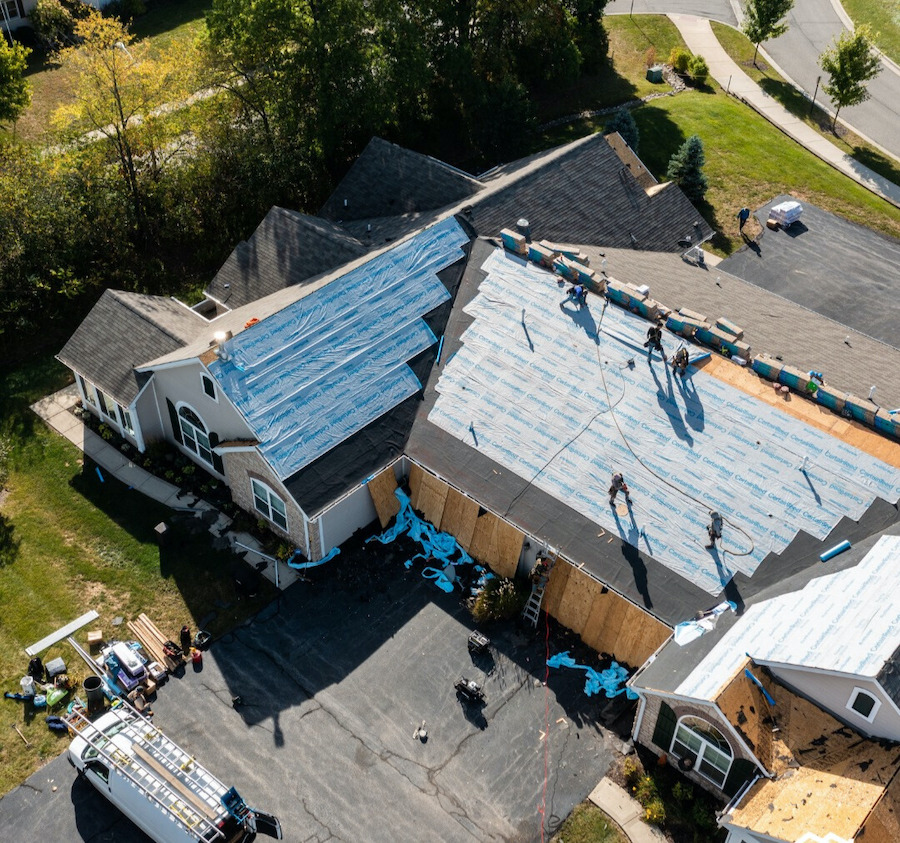
This guide was created to help homeowners ask smarter questions about workmanship guarantees, better evaluate roofing contractors, and make more confident decisions before signing a contract.
If you have questions about roof replacement, roof repair, storm damage, or roofing warranty coverage, contact Rogers Roofing today to schedule a professional roof inspection and consultation.
What Is a Roofing Workmanship Guarantee?
A workmanship guarantee is a contractor’s promise to stand behind the quality of the roof installation itself.
This is different from a manufacturer warranty.
Manufacturer warranties typically cover:
- Roofing material defects
- Product manufacturing issues
- Premature material failure under qualifying conditions
Workmanship guarantees typically cover:
- Installation-related issues
- Improper flashing or sealing
- Installation errors
- Labor-related defects
In other words, a manufacturer warranty protects the product, while a workmanship guarantee protects the installation. Both matter.
According to the National Roofing Contractors Association (NRCA), roof system performance depends heavily on proper installation practices, not just the roofing materials themselves.
Why Workmanship Guarantees Matter
A roof is exposed to continuous environmental stress year after year. Rain, wind, UV exposure, temperature swings, and freeze-thaw cycles all place pressure on roofing materials and installation points over time.
That means even minor installation errors can eventually turn into costly structural problems.
Common workmanship-related issues include:
- Roof leaks and water intrusion
- Flashing separation around chimneys, vents, and valleys
- Premature shingle wear or blow-offs
- Poor attic ventilation and trapped moisture
- Mold, rot, or decking deterioration beneath the roofing system
- Reduced roof lifespan and avoidable repair costs
A strong workmanship guarantee shows that the contractor is confident in their installation practices, attentive to long-term roof performance, and prepared to stand behind their work after the project is complete.
Questions Homeowners Should Ask About Workmanship Guarantees
Not all roofing guarantees are structured the same way. Asking detailed questions can help homeowners better understand the level of protection they are actually receiving.
1. How Long Does the Workmanship Guarantee Last?
One of the first questions to ask is the length of coverage.
Workmanship guarantees can vary significantly depending on the contractor and roofing system.
Some companies offer:
- Short-term labor coverage
- Limited multi-year guarantees
- Extended workmanship protection on qualifying systems
A longer guarantee does not automatically mean better workmanship, but it can indicate the contractor’s confidence in their installation process.
2. What Specifically Is Covered?
Homeowners should ask for clear explanations of what the guarantee includes.
Examples of covered issues may include:
- Installation-related leaks
- Flashing problems
- Improper fastening
- Workmanship-related water intrusion
- Errors during installation
The more clearly coverage is defined, the easier it is to understand expectations if issues arise later.
3. What Is Not Covered?
Understanding exclusions is just as important as understanding coverage.
Some workmanship guarantees may exclude:
- Storm damage
- Tree impact
- Structural movement
- Damage caused by lack of maintenance
- Unauthorized repairs by other contractors
Clear documentation helps prevent misunderstandings later.
4. Is the Guarantee Provided in Writing?
A verbal promise is not enough.
Homeowners should always request:
- Written warranty documentation
- Coverage terms
- Exclusions and limitations
- Claim procedures
Written documentation creates accountability and gives homeowners a clear reference point after installation is complete.
5. Who Handles Warranty Claims?
Some homeowners assume the manufacturer handles all roofing issues, but workmanship claims are usually handled directly by the contractor.
Ask:
- Who should be contacted if problems occur?
- What is the response process?
- How quickly are inspections scheduled?
- Is repair labor included?
A contractor’s responsiveness after installation often says a great deal about the overall quality of their customer service.
6. Is the Roofing System Installed According to Manufacturer Specifications?
Many manufacturer warranties require installation according to specific standards.
Improper installation can sometimes void manufacturer coverage entirely.
The Federal Trade Commission (FTC) Consumer Warranty Guidance recommends homeowners carefully review warranty terms and understand how installation practices may affect coverage eligibility.
Experienced roofing contractors should be familiar with manufacturer installation requirements and best practices.
7. Are Roof Penetrations and Flashing Included?
Some of the most common roofing leaks occur around:
- Chimneys
- Skylights
- Pipe penetrations
- Valleys
- Roof-to-wall transitions
These areas require precision workmanship and proper sealing methods.
Homeowners should confirm whether flashing-related issues are included within workmanship coverage.
8. Does the Contractor Use Subcontractors or In-House Crews?
Installation consistency can sometimes vary depending on who performs the work.
Ask whether:
- The company uses subcontractors
- Installation crews are trained internally
- Supervisors oversee workmanship quality
A contractor’s installation process directly affects long-term roof performance.
9. What Happens if the Company Closes or Changes Ownership?
Some homeowners overlook this question entirely.
A workmanship guarantee is only as reliable as the company backing it.
Established roofing companies with a long-standing reputation in the community may provide greater long-term confidence because they have a demonstrated history of ongoing service and accountability.
Why Reputation Matters Alongside the Guarantee
A workmanship guarantee should never be evaluated in isolation.
Homeowners should also consider:
- Company longevity
- Online reviews
- Local project history
- Responsiveness
- Communication quality
- Roofing certifications and training
A poorly-installed roof with a strong-sounding warranty can still become a frustrating experience if the contractor is difficult to reach or unwilling to respond.
Why Homeowners Trust Rogers Roofing
Since 1968, Rogers Roofing has helped homeowners across Chicagoland and Northwest Indiana protect their homes with professionally installed roofing systems built for long-term performance. Over decades of service, we have built our reputation on dependable workmanship, honest communication, and standing behind the quality of our work long after installation is complete.
We believe homeowners deserve clear answers and realistic guidance throughout the roofing process, especially when it comes to workmanship guarantees and long-term roof protection. Our team takes the time to explain roofing recommendations, installation methods, and warranty coverage so homeowners understand exactly what to expect before, during, and after the project.
Homeowners choose Rogers Roofing because we prioritize:
- Quality-focused roof installation practices
- Professional roof repair and replacement services
- Clear, transparent communication throughout the project
- Roofing systems designed for long-term durability
- Reliable customer support after installation
For more than 50 years, we have understood that trust is earned through consistency, accountability, and workmanship that continues to perform season after season.
Protect Your Home With a Roofing Company You Can Trust
A workmanship guarantee should do more than check a box in a contract. It should give homeowners confidence that their roof was installed properly and that the company will stand behind its work if issues arise.
At Rogers Roofing, we help homeowners make informed roofing decisions with professional installation, honest recommendations, and dependable service from start to finish. Whether you need roof repair, replacement, or storm damage restoration, our team is here to help you protect your investment with confidence.
Partner with a team you can trust. Contact us today to schedule a professional roof inspection and consultation.
FAQ: Roofing Workmanship Guarantees
Q: What is a workmanship guarantee on a roof?
A workmanship guarantee covers installation-related issues caused by contractor error, such as improper flashing, sealing, or fastening.
Q: Is a workmanship guarantee different from a manufacturer’s warranty?
Yes. Manufacturer warranties cover roofing material defects, while workmanship guarantees cover installation quality and labor-related issues.
Q: How long do roofing workmanship guarantees last?
Coverage length varies by contractor and roofing system. Some guarantees last only a few years, while others offer extended protection.
Q: Can poor installation void a manufacturer’s warranty?
Yes. Many manufacturers require roofing systems to be installed according to specific standards in order for warranty coverage to remain valid.
Q: What should homeowners look for in a workmanship guarantee?
Homeowners should review coverage length, exclusions, written documentation, claim procedures, and the contractor’s reputation and responsiveness.
Q: Why is flashing important in roofing workmanship?
Flashing protects vulnerable roof areas such as chimneys, skylights, and roof transitions. Improper flashing installation is a common cause of roof leaks.
Q: Should roofing warranties be provided in writing?
Yes. Homeowners should always request written documentation outlining warranty terms, exclusions, and claim procedures.
Q: Why choose Rogers Roofing?
Homeowners choose Rogers Roofing for professional roof installation, clear communication, dependable service, and a commitment to long-term roofing performance backed by quality workmanship.

