
The Essential Chicagoland Roof Replacement Pricing Guide (2026)
Understand What Impacts the Cost of a New Roof
A roof replacement isn’t a purchase most homeowners make often. While it’s tempting to compare quotes based on the bottom line alone, the true cost of a new roof depends on a combination of factors, including your home’s design, the condition of the existing roof, the materials you choose, and the quality of the installation itself.
For more than 55 years, Rogers Roofing has helped homeowners across Chicagoland and Northwest Indiana navigate that decision with confidence. Since 1968, we’ve built our reputation on honest recommendations, skilled craftsmanship, and a customer-first approach that prioritizes education over sales pressure. As a fully licensed, bonded, and insured contractor, we believe you should understand exactly what’s included in your roofing estimate and why those details matter to your home’s long-term protection.
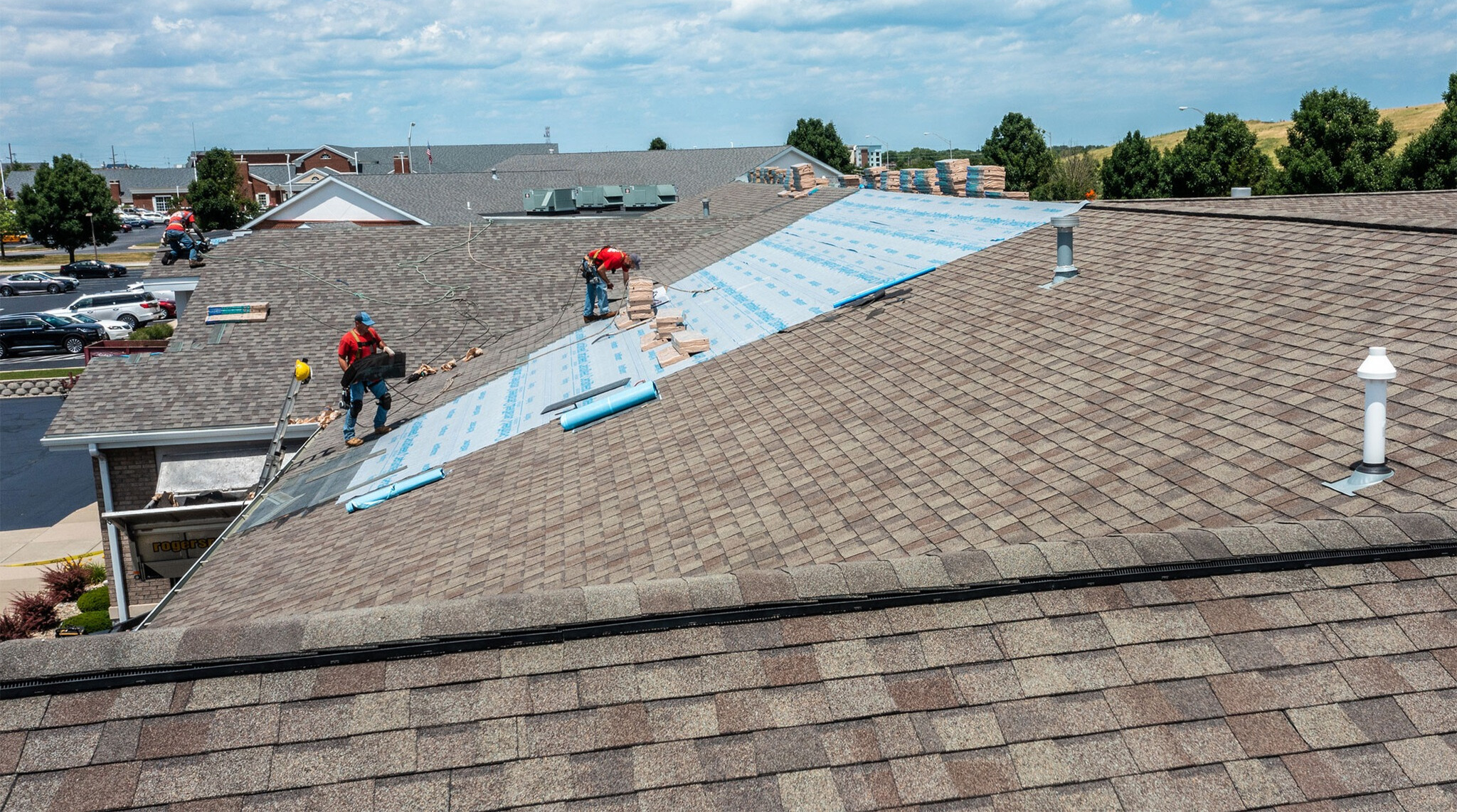
This roof replacement pricing guide breaks down the key factors that influence roof replacement costs, explains what a comprehensive roofing estimate should include, and offers practical tips for comparing proposals based on long-term value rather than upfront price alone. Whether you’re replacing an aging roof or planning for a future project, our goal is to help you make an informed investment in your home.
If you’re ready to explore your roof replacement options, schedule a professional roof inspection with Rogers Roofing. We’ll provide a detailed estimate, answer your questions, and help you choose a roofing solution that’s built to protect your home for years to come.
What Does Roof Replacement Cost in Chicagoland?
One of the biggest misconceptions about roof replacement is that every home falls within a single price range. In reality, roofing contractors cannot accurately price a project without first inspecting the property.
For planning purposes, however, many Chicagoland homeowners can expect a professionally-installed asphalt shingle roof replacement to range from approximately $9,000 to $18,000 or more, depending on the size and complexity of the roof. Larger homes, premium roofing systems, extensive decking repairs, or architectural features may increase the overall investment.
Instead of asking, “What’s the average price?” a better question is:
“What factors determine the cost of my roof replacement?”
Understanding those variables will help you compare estimates more confidently and recognize the long-term value behind each proposal.
What Factors Affect Roof Replacement Costs?
Every roof is unique, which means no two roof replacement estimates are exactly alike. While square footage plays a major role, several structural and design factors influence the amount of labor, materials, and time required to complete the project. Understanding these variables can help you better interpret roofing estimates and compare proposals based on scope and value—not just price.
Roof Size
The overall size of your roof is one of the biggest factors affecting cost. Roofing contractors measure roof area in “squares,” with one roofing square equal to 100 square feet of roof surface.
As roof size increases, so do the materials, labor, and disposal requirements. A larger roof typically requires:
- More shingles and roofing accessories
- Additional underlayment and waterproofing materials
- More flashing around roof penetrations and transitions
- Increased labor and installation time
- Higher tear-off and disposal costs
It’s also important to remember that roof size isn’t always the same as your home’s square footage. Two homes with identical floor plans can have very different roof sizes depending on the roof’s shape, pitch, and architectural features.
Roof Pitch and Complexity
Roof pitch refers to the steepness or slope of your roof. A low-slope roof is generally easier and faster to work on, while a steeper roof requires additional safety equipment, slower installation, and more labor to ensure the work is completed safely and correctly.
Beyond pitch, the overall complexity of the roof also affects pricing. Roofs with more angles and transitions require additional cutting, flashing, and detail work.
Features that commonly increase installation time include:
- Multiple roof valleys where two roof sections meet
- Dormers that project from the roofline
- Skylights
- Chimneys
- Roof-to-wall intersections
- Multiple ridges and hips
Each of these areas creates additional points where water must be properly diverted, making precise flashing and installation essential for long-term leak protection.
Existing Roof Condition
While a roofing inspection provides a strong understanding of your roof’s condition, some issues aren’t visible until the existing shingles have been removed.
During tear-off, your contractor may uncover hidden conditions such as:
- Water-damaged roof decking (the plywood or wood panels beneath the shingles)
- Rotten wood caused by long-term moisture exposure
- Damaged fascia boards along the roof’s edge
- Inadequate attic ventilation
- Improper installation from previous roofing projects
Although repairing these issues can affect the final cost, correcting them during a roof replacement helps create a stronger roofing system and can prevent more expensive repairs later.
Roofing Material
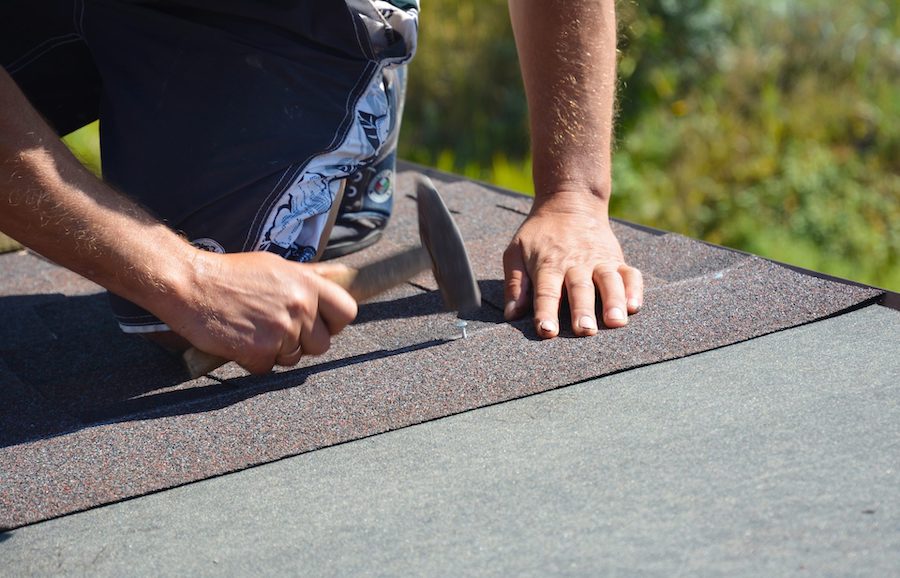
The type of roofing material you choose also influences your overall investment. Different products vary in material costs, installation requirements, expected lifespan, and long-term maintenance needs.
For many Chicagoland homeowners, architectural asphalt shingles remain one of the most popular roofing choices because they offer an excellent balance of durability, curb appeal, weather resistance, and value. Available in a wide range of colors and styles, today’s asphalt shingles are engineered to withstand the Midwest’s changing weather conditions while complementing virtually any home design.
Ventilation and Roofing System Components
A roof replacement involves much more than installing a new layer of shingles. The U.S. Department of Energy notes that the roof is a key part of a home’s building envelope. Proper attic ventilation and insulation help improve energy efficiency by regulating heat and moisture, which can reduce strain on heating and cooling systems and contribute to the long-term performance of both the roof and the home.
Depending on your home’s needs, a complete roofing system may include:
- Ice and water barrier: A waterproof membrane installed in vulnerable areas, such as roof edges and valleys, to help prevent leaks caused by ice dams and wind-driven rain.
- Synthetic underlayment: A protective layer installed beneath the shingles that provides an additional barrier against moisture.
- Ridge vents and intake ventilation: Ventilation components that allow fresh air to enter the attic and warm, humid air to escape, helping reduce heat and moisture buildup.
- Flashing: Metal material installed around chimneys, skylights, vents, and roof-to-wall intersections to direct water away from seams and penetrations.
- Drip edge: Metal edging installed along the roof perimeter to help channel water into the gutters and protect the roof deck.
- Ridge cap shingles: Specialized shingles that cover the roof’s peak while protecting the ridge vent and providing a finished appearance.
While these system components may increase the initial investment, they help maximize your roof’s lifespan, improve weather resistance, and protect your home from costly moisture-related damage over time.
Why Chicagoland’s Climate Can Affect Roof Replacement Costs
The Chicagoland area experiences four distinct seasons, and each one places different demands on your roof. From harsh winters to severe summer storms, roofing systems in this region must withstand a wide range of weather conditions that can influence both installation requirements and long-term performance.
Throughout the year, your roof may be exposed to:
- Heavy snow loads that place additional weight on the roofing system
- Ice dams, which can form when melting snow refreezes along the roof’s edge and forces water beneath the shingles
- Freeze-thaw cycles that cause roofing materials to repeatedly expand and contract, increasing wear over time
- High winds capable of loosening or lifting shingles during severe storms
- Intense summer heat and UV exposure, which can gradually age roofing materials
These conditions make proper roof design and installation especially important. In the Midwest, a roofing system often includes additional weather-resistant components such as ice and water barriers in vulnerable areas, properly installed flashing around chimneys and roof penetrations, and balanced attic ventilation to help manage moisture and temperature fluctuations.
What’s Included in a Roof Replacement Estimate?
A roofing estimate should include more than just a total price. Since every home is different, it’s important to understand exactly what work and materials are covered before comparing proposals.
A comprehensive estimate typically includes:
- Removal and disposal of old roofing materials
- Roof deck inspection after tear-off
- Replacement of damaged decking, if needed
- Ice and water barrier and synthetic underlayment
- New flashing, drip edge, and ridge cap shingles
- Ventilation improvements, when necessary
- Installation of new asphalt shingles
- Site cleanup and debris removal
- Material and workmanship warranty information
A detailed estimate should clearly explain the scope of work, the products being installed, and any potential costs if hidden damage is discovered during the project.
Questions to Ask Before Comparing Roofing Quotes
A roof replacement is a major investment, and the lowest estimate isn’t always the best value. Asking the right questions can help you understand what you’re receiving and avoid unexpected surprises later.
Before choosing a roofing contractor, consider asking:
- Is the estimate based on a complete roof inspection?
- Will the existing roof be completely removed before installation?
- Are permits included in the quoted price?
- What type of underlayment and ice and water barrier will be installed?
- Will the attic ventilation be evaluated?
- What happens if damaged roof decking is discovered?
- What manufacturer and workmanship warranties are included?
- Is cleanup and debris disposal included?
- Are financing options available?
A reputable contractor should be willing to explain each part of the estimate and answer your questions without pressure.
Why Professional Installation Matters
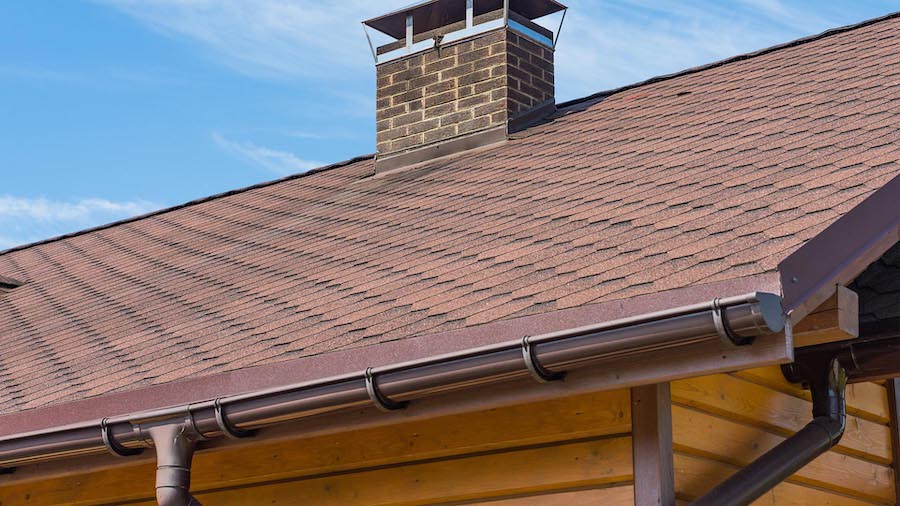
The quality of your roof depends on far more than the shingles you choose. Even premium roofing products rely on proper installation to deliver their intended performance and qualify for manufacturer warranty protection.
Professional installation helps ensure:
- Proper water drainage
- Correct flashing installation
- Effective attic ventilation
- Secure fastening of roofing materials
- Compliance with manufacturer specifications
- Long-term weather resistance
Small installation mistakes can lead to premature leaks, trapped moisture, reduced roof lifespan, and costly repairs. Choosing an experienced roofing contractor helps protect your investment from day one.
Why Homeowners Choose Rogers Roofing
Since 1968, Rogers Roofing has earned the trust of homeowners throughout Chicagoland and Northwest Indiana by providing more than quality roofing systems—we provide an experience built on honesty, education, and exceptional craftsmanship.
As a fully licensed, bonded, and insured contractor, we understand that replacing a roof is a major decision. That’s why we take the time to answer your questions, explain your options, and provide transparent recommendations based on your home’s unique needs rather than high-pressure sales tactics.
When you work with Rogers Roofing, you can expect:
- Free professional roof inspections
- Detailed, easy-to-understand written estimates
- Expert residential asphalt roof replacement
- Premium roofing products installed to manufacturer specifications
- Skilled, experienced installation crews
- Honest recommendations tailored to your home
- A hassle-free customer experience from start to finish
Our goal has always been simple: help homeowners feel comfortable and confident throughout the roofing process while delivering a roof that’s built to protect their home for years to come.
Get a Roof Replacement Estimate You Can Trust
A roof replacement is a major investment, and choosing the right contractor is just as important as choosing the right materials. Understanding what influences pricing can help you compare estimates with confidence and make a decision that protects your home for years to come.
Since 1968, Rogers Roofing has helped homeowners throughout Chicagoland and Northwest Indiana navigate the roof replacement process with honest recommendations, quality craftsmanship, and transparent pricing. We’ll take the time to inspect your roof, explain your options, and provide a detailed estimate so you know exactly what to expect.
Ready to find out what your roof replacement will cost? Contact Rogers Roofing today to schedule your free roof inspection and estimate. Our experienced team will help you choose the right roofing system for your home, your budget, and your long-term peace of mind.
FAQ: Roof Replacement Costs in Chicagoland
Q: How much does a roof replacement cost in the Chicagoland area?
The cost of a roof replacement depends on several factors, including your roof’s size, pitch, complexity, material selection, and whether repairs to the roof deck are needed. The best way to determine your project’s cost is to schedule a professional roof inspection and receive a detailed written estimate.
Q: What factors have the biggest impact on roof replacement pricing?
Roof replacement costs are typically influenced by:
- Total roof size
- Roof pitch (how steep the roof is)
- Number of valleys, chimneys, skylights, and other roof features
- Roofing material selected
- Condition of the existing roof deck
- Ventilation and waterproofing requirements
- Labor and disposal costs
Q: Does homeowners insurance cover roof replacement?
It depends on the cause of the damage. Many homeowners insurance policies may cover roof replacement if the damage results from a covered event, such as hail or wind. Roofs replaced due to normal aging, wear and tear, or lack of maintenance are generally not covered. A professional roof inspection can help determine whether you may have an insurance claim.
Q: How long does an asphalt shingle roof typically last?
The lifespan of an asphalt shingle roof varies based on the product, installation quality, weather conditions, and maintenance. Many architectural asphalt shingle roofs provide decades of reliable performance when properly installed and maintained.
Q: What is roof pitch, and why does it affect the cost?
Roof pitch refers to the steepness of your roof. Steeper roofs require additional safety equipment, more labor, and longer installation times, which can increase the overall cost of a roof replacement.
Q: What should be included in a roof replacement estimate?
A comprehensive estimate should outline the full scope of work, including material removal, underlayment, flashing, ventilation components, shingle installation, cleanup, warranty information, and any potential additional costs if hidden damage is discovered during tear-off.
Q: Is it better to repair or replace my roof?
Minor, isolated damage can often be repaired. However, if your roof has widespread damage, multiple leaks, or is nearing the end of its expected lifespan, a replacement may provide better long-term value and reduce future repair costs. A professional inspection can help determine the best solution.
Q: Why should I choose Rogers Roofing for my roof replacement?
Since 1968, Rogers Roofing has provided homeowners throughout Chicagoland and Northwest Indiana with high-quality residential roofing solutions. As a fully licensed, bonded, and insured contractor, we offer free roof inspections, transparent estimates, premium asphalt roofing systems, and experienced installation backed by decades of trusted service.
Related Topics

